Otoplasty Ear Aesthetics
Otoplasty (Ear Correction Surgery): Permanent and Aesthetic Solutions

What is Otoplasty (Ear Correction Surgery) and Why is it Preferred?
Otoplasty, known in medical terminology as protruding ear surgery, is a permanent surgical procedure that corrects the condition where the ear protrudes excessively forward from the head, contrary to its normal anatomical position. This condition, the most common congenital ear deformity, can cause significant self-confidence issues and introversion, especially in social settings.
Performed with advanced medical techniques, otoplasty surgery only involves intervention in the outer cartilage structure of the ear, thus causing absolutely no damage to hearing function. Following this highly reliable aesthetic procedure, patients experience psychological relief and the confidence to freely style their hair as they wish.
The Most Suitable and Lasting Solution for You: Our Advanced Surgical Techniques
Since each patient has unique anatomical features and expectations, treatment is planned individually. In our clinic, two main methods are evaluated depending on the patient’s condition.
Classic Cartilage Shaping Surgery
The most recommended and permanent method is the classic cartilage shaping technique. In this approach, a small incision of approximately 3 cm is made behind the ear, which is not visible from the outside.
The cartilage is reshaped into its natural anatomical form without leaving visible marks on the front of the ear. Special permanent internal sutures and dissolvable skin sutures are used, eliminating the need for stitch removal after surgery.
Thread-Based Non-Surgical Otoplasty
As an alternative, thread-based otoplasty is suitable for patients with very mild deformities who prefer a non-incisional method.
This technique involves repositioning the ear using special medical threads. While recovery is quicker, the results are less permanent compared to surgical methods, and there is a possibility of recurrence. Therefore, the most appropriate method is determined after a detailed medical evaluation.

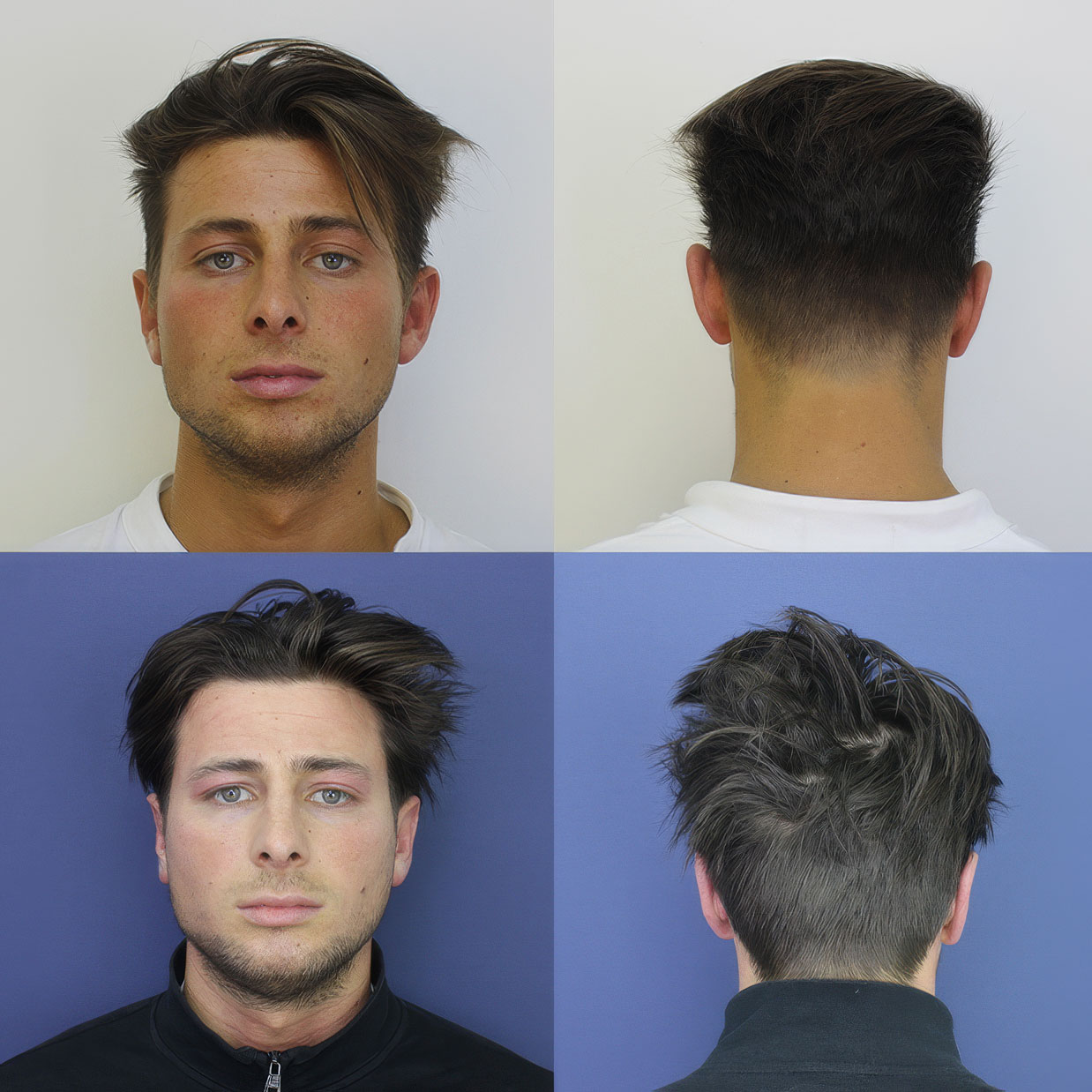
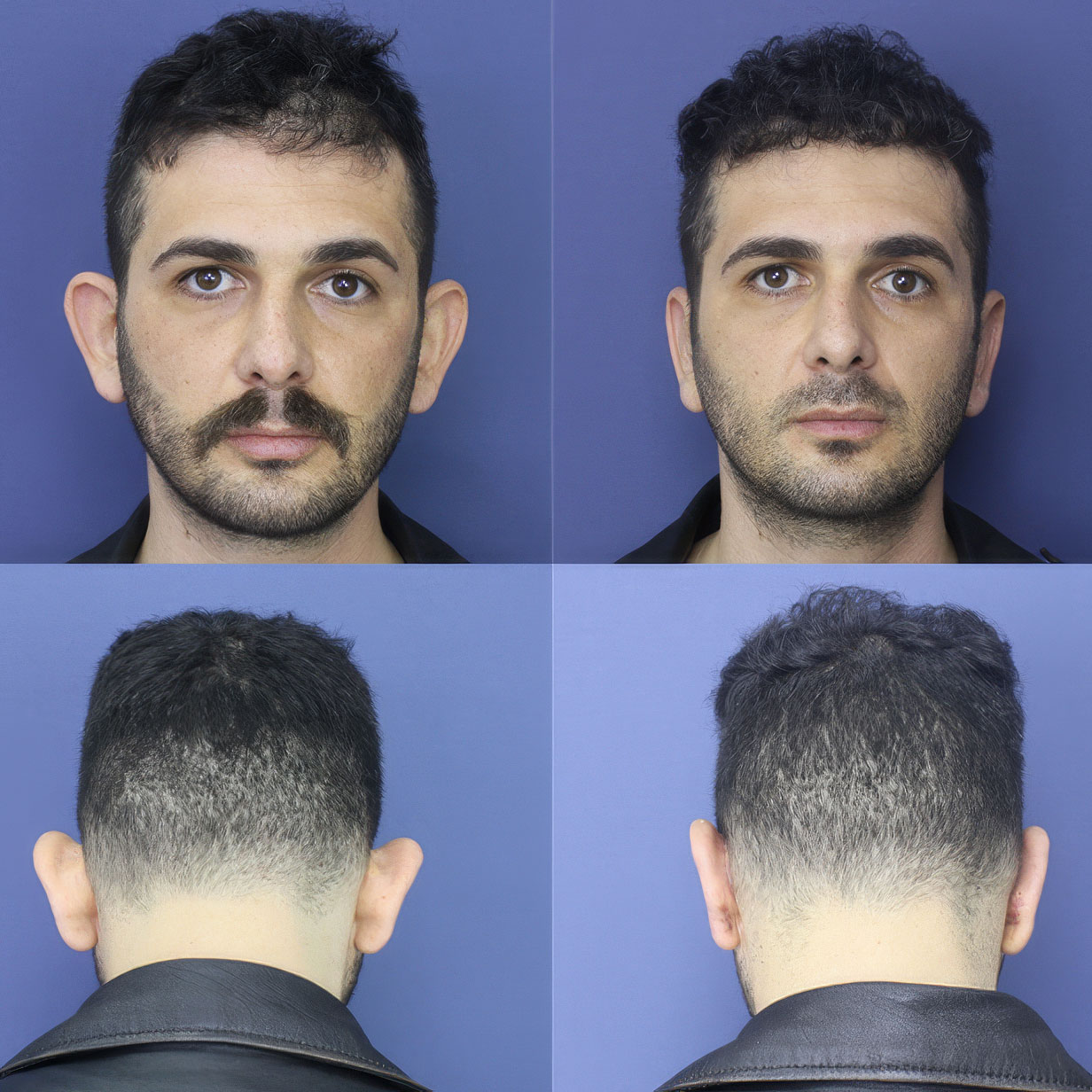
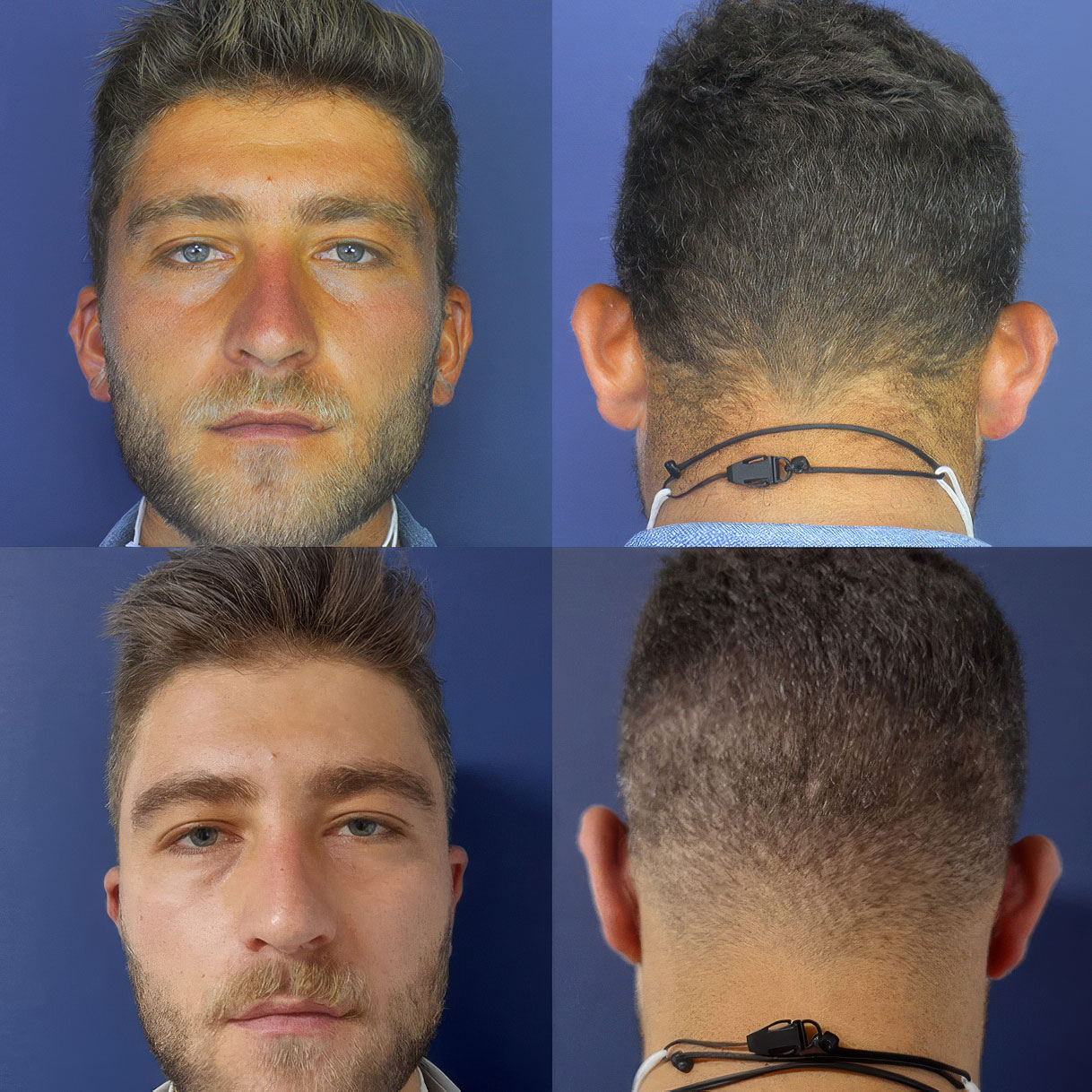
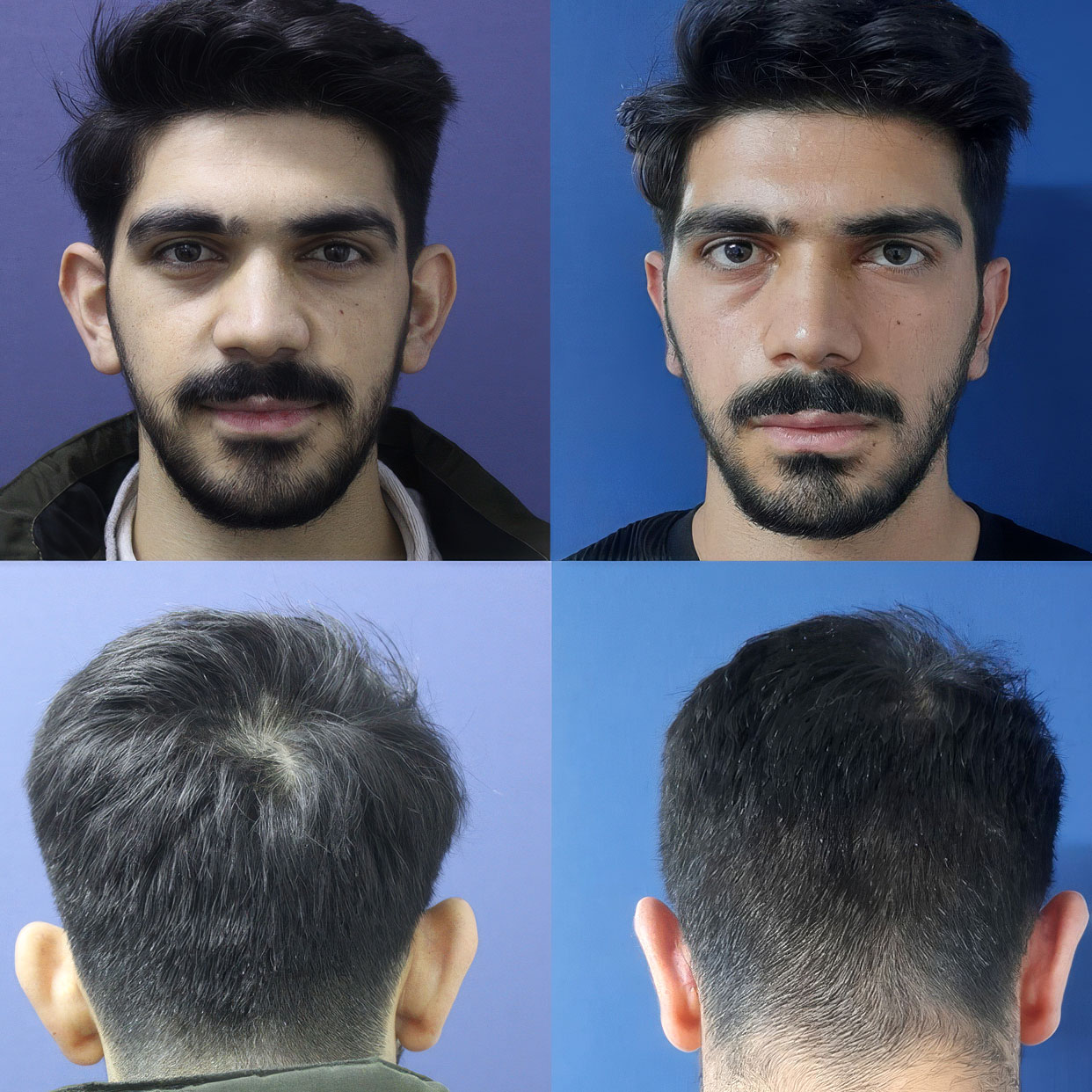
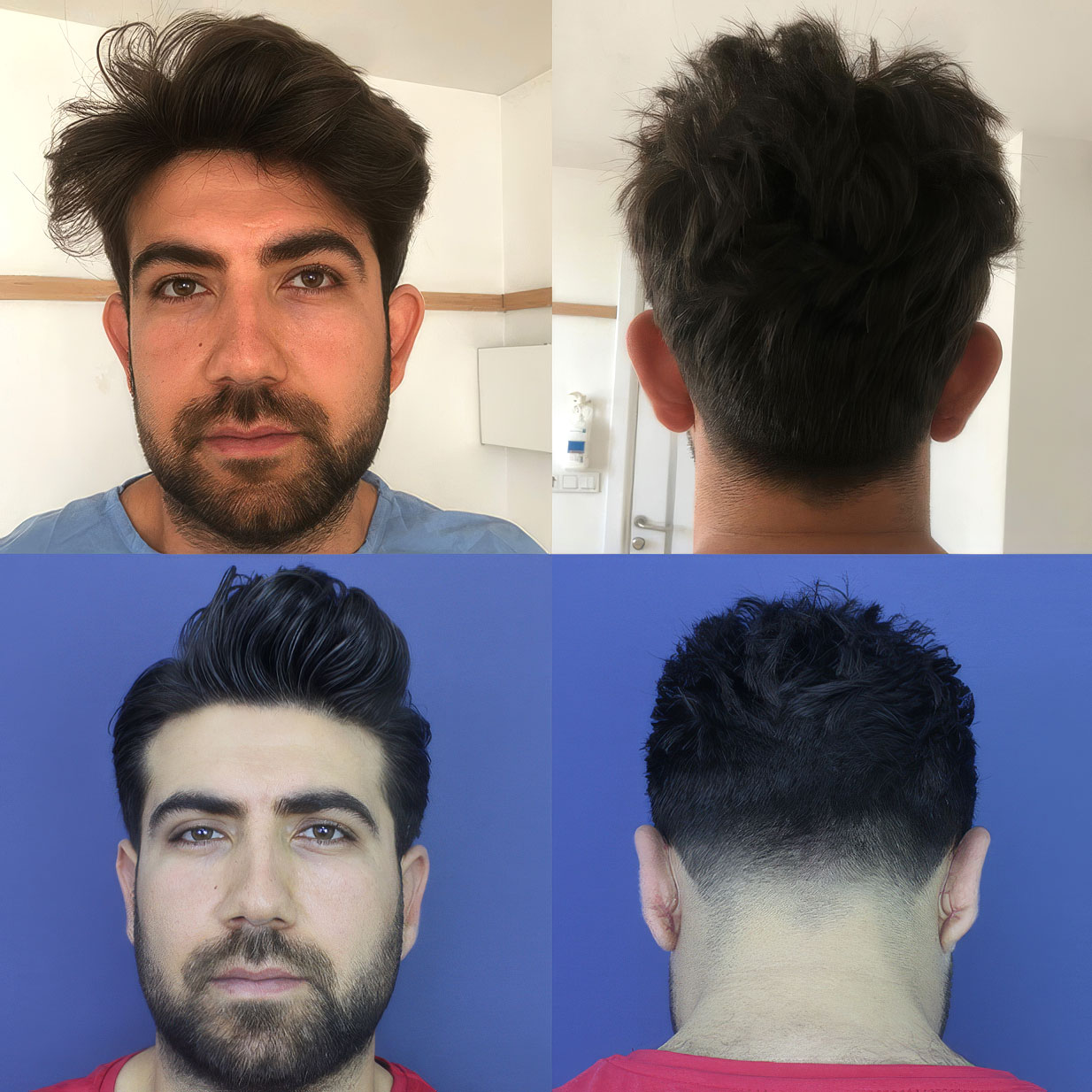
Natural Results in Aesthetic Ear Surgery
Frequently Asked Questions
Does otoplasty cause hearing loss?
No, it absolutely does not cause hearing loss or any hearing problems. In otoplasty (ear correction surgery), only the outer cartilage and skin tissue of the ear are treated. This procedure has no anatomical connection with the inner or middle ear structures responsible for hearing.How does the recovery process work?
A bandage is worn for the first few days. Stitches are checked at 7–10 days. Most patients return to daily activities within a week; sports should be avoided for 4–6 weeks.Is there an appropriate age limit for the surgery?
Since ear cartilage reaches adult size around age 5–6, surgery can be performed from this age onward. There is no upper age limit for adults.When can I return to my normal life after the surgery?
Most patients can return to desk work within 5–7 days. 4–6 weeks is recommended before resuming intense exercise. During the summer months, it is recommended to use a high-SPF sunscreen for the first 2–3 months.Will there be a visible scar after the surgery?
In the classical technique we use, the incision is hidden within the natural crease behind the ear. This approximately 3 cm incision remains behind the ear and is therefore completely invisible from the front or side view. As healing progresses, no aesthetically disturbing scar remains.Is there a risk that my ears will return to their previous shape after surgery?
In our recommended cartilage reshaping technique, the cartilage is permanently fixed with sutures, so the risk of the ears returning to their original shape is extremely low. This method provides lifelong and reliable results. Only non-surgical thread techniques have a lower level of permanence.Will I feel a lot of pain during or after the operation?
Thanks to local anesthesia applied during the procedure, you will not feel any pain during surgery. Mild discomfort that may occur in the first few hours after anesthesia wears off is easily controlled with prescribed painkillers and does not affect daily life.
What will my ears look like after the procedure?
We anticipate what you want and provide it for you. To get a visual idea of your new appearance after otoplasty (ear correction surgery), send your photos to our WhatsApp contact numbers and learn in advance how your ears will look after the operation.
Who is a suitable candidate for otoplasty (ear reshaping surgery)? What is the most appropriate age?
Ear cartilage development is completed very early in human life, around the age of 6. In light of this anatomical fact, our expert physicians particularly emphasize that the ideal time for otoplasty (ear correction) is before children start school. Interventions performed before school age are invaluable for a child's future self-confidence, as they protect them from harsh criticism, mockery, or deeply traumatic peer bullying such as name-calling.
Of course, one doesn't have to wait until childhood to embark on an aesthetically pleasing and comfortable life. Adults of all ages who have completed their physical development can make a fresh start by making this aesthetic decision they've been putting off for years. Thanks to modern surgical techniques, our adult patients can also confidently achieve the natural look they envision with a very rapid recovery process.
Comfortable Recovery Process: Step-by-Step Return to Your New Life
The recovery process after prominent ear surgery is a comfortable and fast-paced journey that does not negatively affect our patients’ daily quality of life. Our process begins with a transparent pre-consultation, where detailed photographs of your ears are taken from different angles and your possible post-operative appearance is shown to you in advance using 3D simulation technology. Depending on the degree of deformity, the procedure is performed under local anesthesia and is typically completed successfully within a short time, usually between 30 minutes and 2 hours.
Thanks to the comfort provided by local anesthesia, you can be discharged from the hospital and return home and to your daily routine just four hours after the operation. Any very mild discomfort that may be felt in the first few hours after the procedure can be easily relieved with standard painkillers prescribed by your doctor. A special dressing is applied for the first three days to protect your ear from external factors. After the bandages are removed, you can safely take a warm shower starting from the fourth day. It is recommended to wear a stylish tennis headband or hairband for two weeks to protect your ear from possible trauma. You can return to your normal social life within just three to five days, and by the end of the third week, you can fully enjoy the new shape of your ears harmonizing with your face.