Revision Rhinoplasty
Complete your unfinished story with a perfect ending.

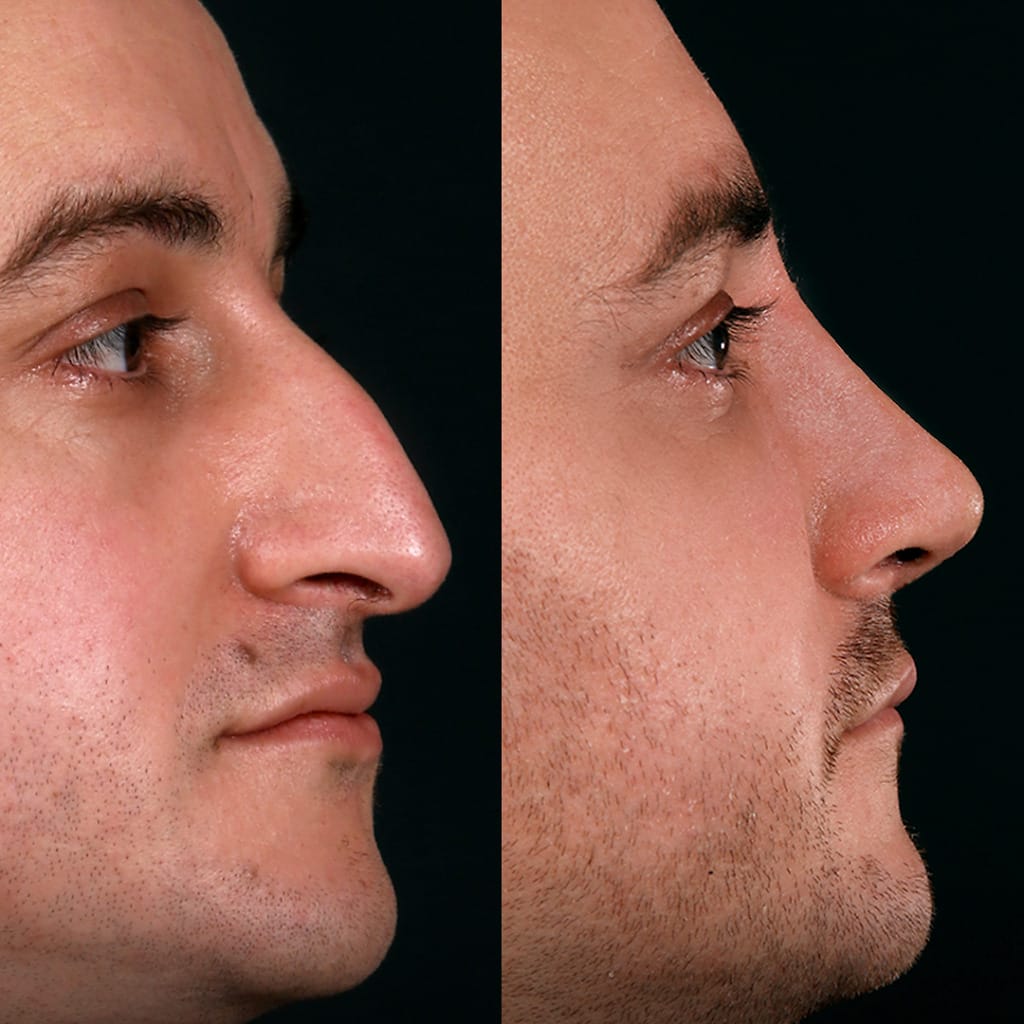
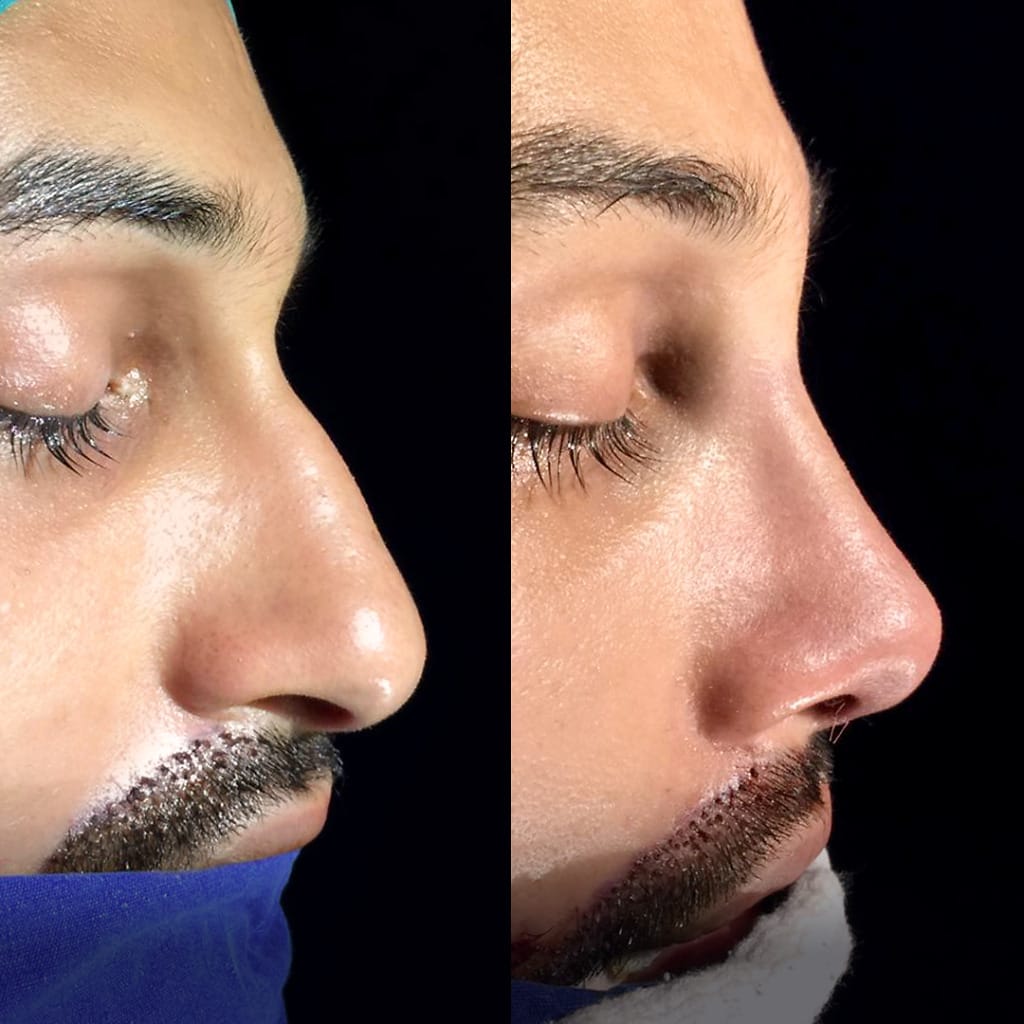
Revision rhinoplasty is a surgical procedure performed when a person has previously undergone a nose job but requires a second operation due to aesthetic or functional issues. While many people are satisfied with the results of their initial nose surgery, there are also those who feel unhappy or regretful. Revision rhinoplasty aims to correct these issues and improve patient satisfaction.
If a person does not achieve the desired outcome from the initial surgery or continues to experience functional problems, revision rhinoplasty may be necessary. The need for revision can arise from excessive alteration of the nasal structure, insufficient correction, or asymmetry. In rare cases, scarring may also require revision.
What Can Be Done with Revision Rhinoplasty?
As with primary rhinoplasty, the goal of revision surgery is to improve both the appearance and function of the nose. Sometimes, expectations from the first surgery are not met, either from the patient’s or the surgeon’s perspective. In such cases, revision rhinoplasty can address these concerns. Minor corrections may be performed under local anesthesia in 15–20 minutes, though more complex cases may take longer.
In some cases, even if there were no functional issues before, problems such as difficulty breathing may arise after the initial surgery. These can be corrected during revision. Rhinoplasty is one of the most complex aesthetic procedures, and improper interventions can negatively affect nasal function.
- Common corrections in revision rhinoplasty include:
- Cartilage irregularities
- Nasal curvature
- Dorsal hump (hump nose)
- Tip deformities and asymmetry
- Breathing problems
- Nostril asymmetry
- Saddle nose deformity
- Over-rotated (overly upturned) nose
- “Pollybeak” deformity caused by cartilage or soft tissue
A frequent issue in revision cases is nasal obstruction, which can result from the nasal wall or septum. Many people have a septal deviation without realizing it. Rhinoplasty can correct such issues, but in some cases, the initial surgery may worsen them, requiring revision.
What Cannot Be Achieved with Revision Rhinoplasty?
Patients often have high expectations from surgery, but it is important to remain realistic. Achieving a completely flawless nose from a severely problematic one is not always possible. The goal is improvement—transforming a poor result into an average one, or an average result into a better one.
What Is Evaluated During Examination?
A detailed examination is essential before revision surgery. Understanding why the patient is dissatisfied helps guide the surgical plan. The aim is to improve the nasal appearance while maintaining harmony with the overall facial structure, including the forehead, lips, cheeks, and chin.
Key evaluation points include:
Aesthetic factors:
- Upper nasal structure (nasal bones)
- Skin thickness
- Middle nasal structure (cartilage)
- Nasal tip and nostrils
Functional factors:
- Turbinates
- Nasal valve
- Allergies
- Septal deviation
Both aesthetic appearance and proper nasal function are important. During consultation, the surgeon discusses expectations and possible outcomes to reach a balanced decision.
Who Is Suitable for Revision Rhinoplasty?
Patients who have undergone one or more nose surgeries but are dissatisfied aesthetically or functionally may be candidates. However, realistic expectations are crucial. The goal is to achieve a result that suits the patient’s facial structure.
Good overall health is also important. Patients should inform their doctor about any medical conditions such as diabetes, thyroid disorders, circulatory problems, or hypertension. Sharing previous surgery details and photos helps the surgeon plan more effectively.
Preparation for Revision Surgery
Preparation is similar to that of primary rhinoplasty. Certain medications may need to be discontinued before surgery. Smoking should be stopped at least one month prior, and alcohol should be avoided one week before surgery. Eating and drinking should be stopped at least 8 hours before the procedure.
How Is Revision Rhinoplasty Performed?
After a detailed examination, the surgeon determines a personalized surgical plan. Since cartilage is often already used in the first surgery, additional cartilage may be taken from the ear or rib if needed. Using the patient’s own tissue generally provides better results.
Revision rhinoplasty is performed under general anesthesia. The duration varies depending on the complexity of the case.
Postoperative Process
Splints or casts may be used to support healing. Soft internal splints or dissolvable materials may also be placed inside the nose. Keeping the head elevated while resting helps reduce swelling and bleeding.
Mild bleeding or mucus discharge is normal for a few days. Nasal pads help control drainage, and patients are instructed on how to manage them.
Strenuous activities such as running or swimming should be avoided for a while. Actions that strain the nose—like forceful nose blowing or excessive facial movement—should be minimized. Wearing glasses may also need to be postponed temporarily.
Bruising and swelling around the eyes are common and usually begin to subside within a week. Full resolution of swelling, especially at the nasal tip, may take several months to a year. Most patients can return to normal social life within 2–3 weeks.
Risks of Revision Rhinoplasty
As with any surgery, there are risks, including:
- Difficulty breathing
- Numbness in the nose or surrounding areas
- Recurrent nosebleeds
- Scarring
- Asymmetry
- Allergic reactions to grafts
- Skin discoloration or swelling
- Importance of Choosing the Right Surgeon
Revision rhinoplasty is more complex than primary surgery due to limited remaining tissue. Therefore, selecting an experienced and specialized surgeon is crucial. A skilled surgeon will carefully plan the procedure, assess risks, and determine the most appropriate technique.
Researching the clinic, reviewing past cases, and clearly communicating expectations with the surgeon are key steps. Even if the first surgery did not meet expectations, achieving a better result is possible with the right specialist and proper planning.
Frequently Asked Questions
Does revision rhinoplasty guarantee success?
No surgical procedure can offer a 100% guarantee. However, revision rhinoplasty has a very high success rate when performed on the right patient, with meticulous surgical planning and by a surgeon who specializes in the field.How many revision rhinoplasty procedures can be performed?
For most patients, one or two revision surgeries are sufficient to achieve the desired result. Factors such as nasal anatomy, skin quality, and the amount of available tissue determine whether additional procedures may be necessary in more complex cases.What happens if there is not enough nasal cartilage?
The ear (auricular cartilage) or rib (costal cartilage) are reliable donor sources that are frequently used when there is insufficient nasal cartilage. This approach provides structural support and can achieve satisfactory results both functionally and aesthetically.Can the nose be made smaller with revision rhinoplasty?
Yes, the size of the nose can be further refined and reshaped, provided that the available tissue and skin quality are suitable. The surgeon will carefully evaluate whether the desired changes can be achieved within the anatomical limits of the nose before surgery.Can the nasal tip droop again after surgery?
A well-planned surgical approach using the appropriate techniques, combined with a careful recovery process, greatly reduces the risk of nasal tip drooping. Following the surgeon’s postoperative instructions also plays a crucial role in maintaining long-term results.Why does the nasal tip feel hard after revision surgery?
Postoperative firmness is a natural part of the tissue healing process. Over the course of several months, this stiffness gradually decreases, and the nose becomes softer and achieves a more natural appearance.Will there be difficulty breathing after surgery?
Mild breathing difficulties may occur during the first few weeks due to internal swelling (edema). This is a temporary condition. In the long term, rhinoplasty does not negatively affect breathing function; on the contrary, it significantly improves breathing in most cases.Is nasal massage necessary after revision rhinoplasty?
Not every patient requires the same postoperative rehabilitation protocol. Nasal massage should only be performed in cases where the surgeon considers it necessary, using specific techniques and at the appropriate stage of recovery.When can I wear glasses after surgery?
Glasses that put pressure on the nose should generally be avoided for the first six weeks. After this period, lightweight frames may be used, but the final decision should always be confirmed with your surgeon.When can I return to sports?
Light-paced walking can usually be started shortly after surgery. For sports that significantly increase heart rate or carry a risk of impact, a waiting period of at least six weeks is generally recommended.Is the recovery process longer than after a primary rhinoplasty?
Since revision rhinoplasty often involves more extensive tissue manipulation, the recovery process may be somewhat longer than after the initial surgery. The complete resolution of swelling and bruising typically takes between 3 and 6 months, although individual healing times may vary.How long do the nasal splint and cast remain after surgery?
The external protective cast or splint is typically kept on the nose for 10 to 14 days. This period may vary depending on the surgeon’s assessment and the surgical technique used. Removing it too early may negatively affect the healing process.
Revision Rhinoplasty Consultation
You can ask all your questions about revision rhinoplasty directly via WhatsApp with Prof. Dr. Ahmet Hamdi Kepekçi. Do you have breathing problems or a nasal deformity? It doesn’t matter—just one message is enough to get the right information.
What problems can we address?
- Cartilaginous irregularities and nasal hump deformity
- Nasal tip sharpness and asymmetrical appearance
- Functional breathing problems that restrict airflow
- Nostril asymmetry
- Saddle nose and tissue deformities
- Septal deviation and nasal valve problems
Why is choosing the surgeon important in revision rhinoplasty?
In revision surgery, there is often significantly less tissue available and more limited correction capacity. For this reason, choosing the right surgeon for revision rhinoplasty is extremely important. Revision procedures are considered one of the most demanding and specialized areas of nasal surgery.
A surgeon experienced in revision cases can accurately plan the operation, assess risk factors, and determine the most appropriate technique. Researching the surgical facility and reviewing previous experience and outcomes can also support your decision-making process.
Even if you did not achieve the desired result in your first surgery, there is no need for concern. With the right, highly skilled aesthetic surgeon and a well-equipped medical institution, it is often possible to correct and improve the nasal structure.
What is the postoperative process like?
To ensure proper protection and healing of the nose, a cast or splint may be required. In some cases, soft internal splints or special pads may also be placed inside the nose. After surgery, the following points should be considered:
Keeping the head elevated at chest level while resting helps reduce swelling and bleeding.
A small amount of nasal bleeding or mucus discharge for a few days is normal.
Strenuous activities such as running and aerobic exercise should be avoided for a period of time.
Swimming should be avoided until full healing of the nose.
Hard-to-chew foods should be avoided, as well as actions that strain facial muscles such as forceful sneezing or laughing.
Upper lip movement should be limited while brushing teeth.
Front-buttoned clothing is preferred instead of clothing that must be pulled over the head.
Wearing glasses is not recommended for a period of time.
Bruising around the eyes and eyelids may occur after surgery; this is a natural process and usually begins to resolve within 1 week. Cold compresses help reduce swelling and bruising.
Swelling at the nasal tip may take 6 months to 1 year to fully resolve, although this is usually noticeable only to the patient and surgeon.
By following these rules, many patients can return to normal social life within 2–3 weeks after surgery.